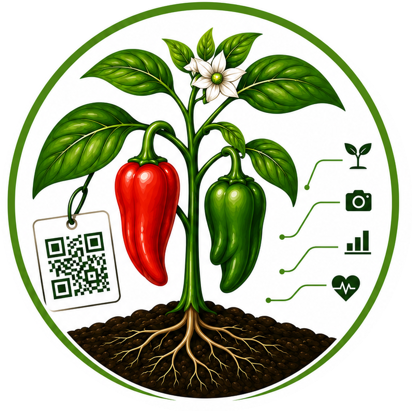
New Mexico chile
How to Grow New Mexico chile
Overview
New Mexico chile, a beloved cultivar group of peppers hailing from the US state of New Mexico, has been cherished by Pueblo and Hispano communities for generations. These vibrant, flavorful peppers have come a long way since their humble beginnings in Santa Fe de Nuevo México. With the help of horticulturist Fabián García and his students, including Roy Nakayama, at what is now New Mexico State University in 1894, these landrace chile plants were transformed into the modern New Mexico chile peppers we know and love today.
Growing Conditions
New Mexico chile thrives in warm, sunny locations with well-draining soil. These peppers are heat-loving plants that require a long growing season to mature properly. They grow best in USDA hardiness zones 7-10, where temperatures remain above freezing during the critical flowering stage in spring. Providing ample sunlight and fertile soil rich in organic matter will ensure your New Mexico chile plants produce bountiful harvests.
Planting & Care
Plant seeds directly into prepared garden beds after the last frost date in spring. Maintain consistent moisture levels, watering deeply to encourage deep root growth. As the plants grow, apply a balanced, slow-release fertilizer to nourish them throughout their development. Prune any yellowing leaves or dead branches to keep your New Mexico chile plants healthy and productive.
Common Problems
Watch for signs of common pests like aphids and whiteflies, which can quickly become problematic if left unchecked. Monitor your plants regularly and apply organic insecticidal soap if necessary. Additionally, be prepared to protect your crop from extreme temperature fluctuations or frosts, as these can damage the delicate flowers and hinder fruit development.
Harvest or Enjoy
Once the peppers have reached their desired size and color, typically around 90-120 days after planting, they are ready for harvest. Gently twist and remove the fruits from the plant, being careful not to bruise or puncture them. Enjoy your homegrown New Mexico chile fresh in dishes like salsas, stews