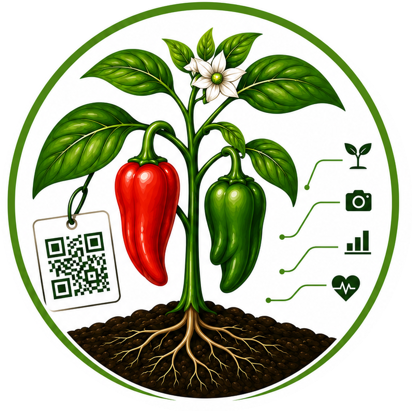
Thai (Birds Eye)
How to Grow Thai (Birds Eye)
Overview
Thai (Birds Eye) peppers, scientifically known as Capsicum annuum, are a versatile and flavorful addition to any home garden. These compact, ornamental plants produce an abundance of small, sharp, and clean heat peppers that are essential in Southeast Asian dishes. With the right growing conditions and care, your Thai pepper plant will thrive, providing you with a bountiful harvest for your culinary adventures.
Growing Conditions
Thai peppers love warm weather and well-draining soil. They require full sun exposure and can tolerate various soil types but prefer slightly acidic to neutral pH levels. Ensure your plants receive at least 6-8 hours of direct sunlight daily and maintain consistent watering, keeping the soil moist but not waterlogged.
Planting & Care
Plant Thai pepper seeds indoors 4-6 weeks before the last expected frost date. Transplant them outdoors when the danger of frost has passed and they've reached a height of 6-8 inches. Space your plants about 12-18 inches apart to allow for proper growth. Provide regular watering, fertilizing, and pruning as needed to encourage healthy foliage and fruit production.
Common Problems
Watch out for common issues like nutrient deficiencies, fungal diseases, or pest infestations. Identify problems early by monitoring your plants closely and addressing them promptly with appropriate organic treatments, such as compost tea for nutrition or neem oil for pests.
Harvest or Enjoy
Once your Thai pepper plant begins producing fruit, you'll enjoy a steady supply of small, sharp, clean heat peppers that can be used in various dishes. Harvest the peppers when they reach their desired size and color, typically 60-70 days after planting. Use them fresh, dried, or frozen to preserve their flavor and heat for later use.
Thai (Birds Eye) peppers are a delightful addition to any garden, offering both visual appeal and a delicious kick to your dishes. By providing the right growing conditions, proper care, and prompt problem-solving, you'll soon be enjoying these versatile, flavorful peppers in all sorts of culinary creations.