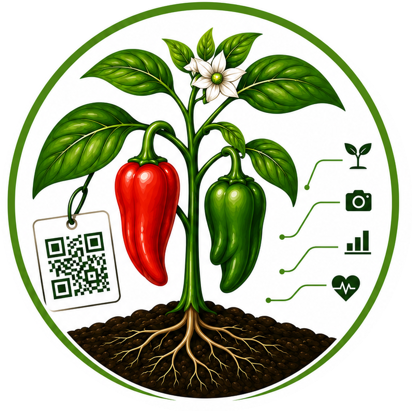
Seedless fruit
How to Grow Seedless fruit
Overview
Seedless fruits are a delightful addition to any garden, offering a unique and convenient eating experience. These fruits, developed through breeding techniques, have no mature seeds, making them more palatable and easier to consume. With proper care and attention, you can successfully grow these commercially valuable plants in your home garden.
Growing Conditions
Seedless fruits thrive in well-draining soil that is rich in organic matter. They require a sunny location with at least six hours of direct sunlight each day. The pH level of the soil should be between 6.0 and 7.5, depending on the specific fruit variety. Ensure good air circulation around the plants to prevent disease and pest issues.
Planting & Care
Plant seedless fruit trees or vines in early spring when the risk of frost has passed. Space them appropriately according to their mature size requirements. Water the plants regularly, providing deep and infrequent watering to encourage deep root growth. Apply a balanced fertilizer once a month during the growing season to support healthy fruit development.
Common Problems
One common problem with seedless fruits is poor pollination, which can lead to misshapen or undeveloped fruits. To avoid this issue, ensure that there is another compatible variety of the same fruit plant nearby for cross-pollination. Watch out for pests like aphids and spider mites, using organic insecticidal soap or neem oil to control them if necessary.
Harvest or Enjoy
Harvest seedless fruits when they reach peak ripeness, as indicated by their color and slight give when gently squeezed. Depending on the fruit variety, this can range from late spring to early fall. Enjoy your homegrown, seedless fruits fresh off the vine or use them in various culinary applications to savor their unique qualities.
By providing optimal growing conditions and care, you can successfully cultivate delicious and convenient seedless fruits right in your garden. Experiment with different varieties and enjoy the benefits of organic gardening while delighting in these exceptional fruits.