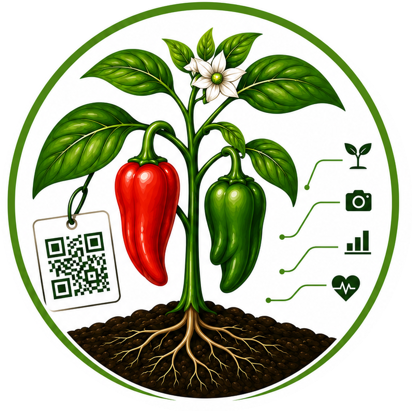
Pepperoncini
How to Grow Pepperoncini
Overview
Pepperoncini, scientifically known as Capsicum annuum, are a type of pepper that is well-loved for its bright, tangy flavor and wrinkled appearance when pickled. These peppers thrive in hot conditions, making them the perfect choice for gardeners who live in warm climates.
Growing Conditions
Pepperoncini plants love heat! They grow best in temperatures between 70-85°F during the day and above 60°F at night. Full sun exposure is crucial, so be sure to plant them in a location that receives at least 6-8 hours of direct sunlight each day.
Planting & Care
Plant pepperoncini seeds indoors 6-8 weeks before the last expected spring frost date. Transplant seedlings outdoors once soil temperatures have consistently been above 60°F for two weeks. Water regularly, providing about 1 inch of water per week, and maintain a soaker hose or watering can to avoid wetting the foliage. Fertilize monthly with an organic fertilizer to keep your plants healthy.
Common Problems
Pepperoncini plants are relatively pest-resistant, but watch out for aphids and whiteflies. If you notice these pests, remove them manually or use insecticidal soap to control the population. Additionally, be mindful of nutrient deficiencies - if your leaves start turning yellow, consider adding more organic matter to your soil.
Harvest or Enjoy
Harvest your pepperoncini when they are still yellow-green in color and have reached a length of 3-4 inches. Once picked, allow them to ripen further and develop their characteristic wrinkled appearance before pickling. Enjoy the bright, tangy flavor of these peppers in your favorite dishes!