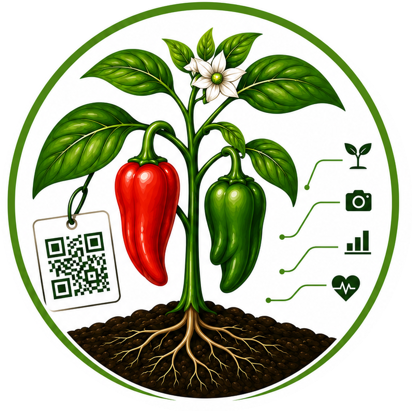
Myrciaria racemosa
How to Grow Myrciaria racemosa
Overview
Myrciaria racemosa, also known as the camu-camu tree, is a remarkable plant native to Ecuador. With its unique racemose inflorescence and yellowish-white flowers, it makes for an intriguing addition to any garden. This guide will walk you through the process of growing this fascinating tree, providing you with the knowledge needed to cultivate a thriving Myrciaria racemosa.
Growing Conditions
Myrciaria racemosa thrives in tropical regions with warm temperatures and high humidity. Ensure your garden has well-draining soil and plenty of sunlight, as these trees require 6-8 hours of direct sun daily. Protect your camu-camu tree from strong winds and extreme weather conditions.
Planting & Care
When planting Myrciaria racemosa, choose a spot with partial shade and rich, well-draining soil. Dig a hole deep enough to accommodate the tree's root system, and place the plant in the center. Fill the hole with water to settle the soil around the roots, then add a layer of organic mulch to retain moisture. Water your camu-camu tree regularly during dry spells, but avoid overwatering, as this can lead to root rot.
Common Problems
One common issue faced by Myrciaria racemosa growers is nutrient deficiencies, particularly in soils low in potassium and magnesium. To prevent this, apply a balanced organic fertilizer every 3-4 months during the growing season. Watch out for pests such as spider mites and scale insects; if detected early, they can be easily controlled using natural predators or insecticidal soaps.
Harvest or Enjoy
Myrciaria racemosa fruits are small, round, and have a unique, sour taste when raw. The ripe fruit is highly valued for its high vitamin C content and other beneficial nutrients. To harvest, wait until the berries turn a deep red color, indicating they are ready to be picked. Use the fruits fresh in jams, juices, or smoothies, or dry them for later