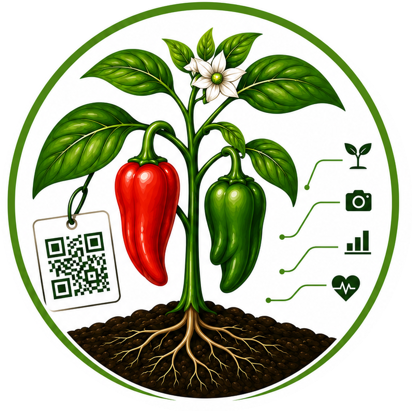
Chili pepper
How to Grow Chili pepper
Overview
Chili peppers are a versatile and flavorful addition to any garden. With their diverse range of heat levels and flavors, these berry-fruit plants from the Capsicum genus offer something for every palate. Whether you're a fan of mild or fiery hot peppers, growing your own chili plants can be a rewarding experience.
Growing Conditions
Chili peppers thrive in warm, sunny locations with well-draining soil. They prefer temperatures between 70-85°F during the day and above 55°F at night. Full sun exposure is essential for optimal growth and fruit production. The soil should be kept consistently moist but not waterlogged.
Planting & Care
Plant chili pepper seeds indoors 6-8 weeks before the last expected frost date, then transplant them outdoors once the danger of frost has passed. Water your plants regularly to maintain consistent moisture levels in the soil. Fertilize every 2-3 weeks with a balanced vegetable fertilizer to support healthy growth.
Common Problems
Watch for signs of common pests like aphids and whiteflies, which can be controlled using insecticidal soap or neem oil sprays. Ensure proper drainage to prevent root rot, which occurs in overly wet conditions. If your plants develop yellowing leaves, they may need more nitrogen-rich fertilizer.
Harvest or Enjoy
Harvest chili peppers when they reach the desired size and color, usually 60-80 days after planting. The longer peppers stay on the vine, the hotter and more flavorful they become. Use clean, sharp scissors to snip them from the plant, leaving a small stub of stem attached. Enjoy your homegrown chili peppers fresh, dried, or frozen for later use.