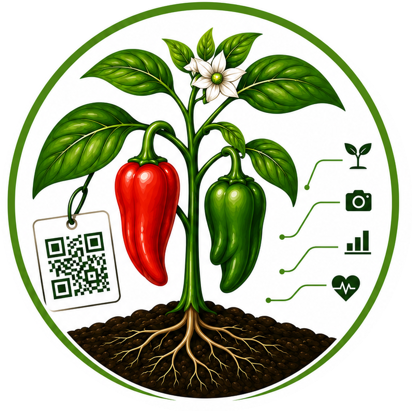
Capsicum frutescens
How to Grow Capsicum frutescens
Overview
Capsicum frutescens, also known as the wild chili pepper, is a fascinating plant to grow in your garden. Its close genetic relationship with the cultivated Capsicum chinense makes it an intriguing addition to any home-gardening collection. Native to Central and South America and Mexico, this annual or short-lived perennial plant can bring a burst of color and spice to your outdoor space.
Growing Conditions
Capsicum frutescens thrives in warm, sunny locations with well-draining soil. These plants prefer temperatures between 70-85°F during the day and around 60-70°F at night. They require full sun exposure, meaning they should receive at least six hours of direct sunlight each day. The soil should be kept consistently moist but not waterlogged.
Planting & Care
Start your Capsicum frutescens seeds indoors about 6-8 weeks before the last spring frost date. Transplant them outdoors once the danger of frost has passed and the soil has warmed. Space plants about 18 inches apart to allow for growth. Water regularly, especially during flowering and fruiting stages, but avoid overwatering. Use organic methods like compost or well-rotted manure to enrich the soil.
Common Problems
Capsicum frutescens can be susceptible to fungal diseases like powdery mildew and root rot if not properly cared for. Overwatering and poor air circulation are common culprits. If you notice yellowing leaves or wilting despite adequate watering, consider using a fungicide or adjusting your watering schedule.
Harvest or Enjoy
Harvest your Capsicum frutescens fruits when they reach full color and are slightly tender to the touch, usually 60-80 days after planting. The longer peppers stay on the vine, the hotter and more flavorful they become. Use them fresh in salsas, chilis, or sauces for a burst of spice. Drying or freezing also preserves their flavor and heat for later use.